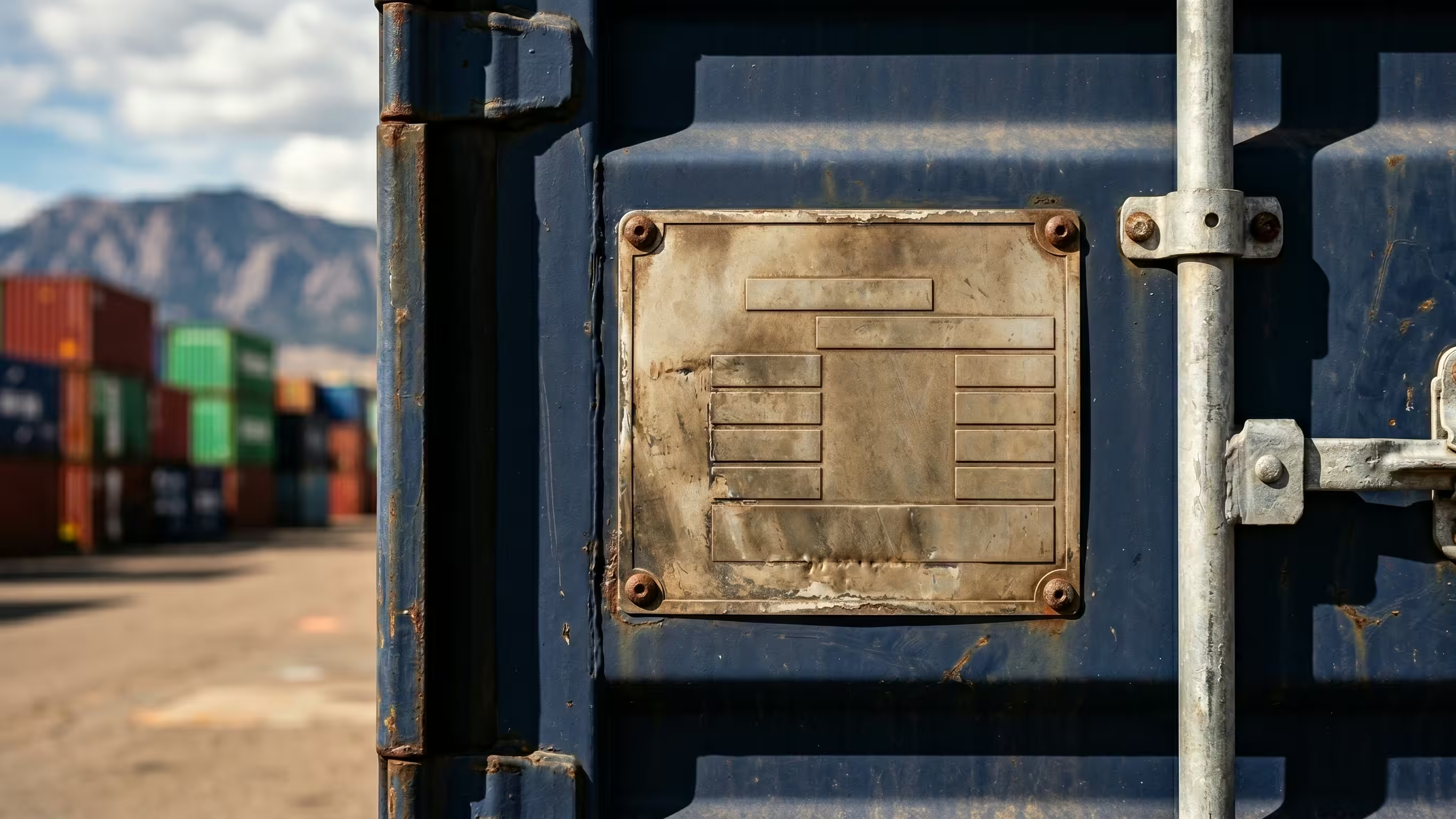
The Front Range moves a steady flow of beef, brewery equipment, oil-and-gas hardware, and ag exports through the BNSF and UP intermodal ramps in Denver and the truck corridors south to Pueblo. The boxes that carry those loads have to do one thing above all else: pass inspection. Cargo containers from our Aurora yard are sold with that single test in mind.
What defines a cargo container
A cargo container is a steel intermodal unit built to the ISO 668 / 1496 standard, with a current Convention for Safe Containers (CSC) plate riveted to the door. It has been hammered, lifted, stacked nine-high in a typhoon, and walked off the chassis still square. Every cargo-worthy unit on our yard is what the industry calls a CWO box - Cargo Worthy with valid Owner re-certification - and that paperwork is what separates a $1,450 ocean-rated container from a $950 storage shell that looks identical from the outside.
The distinction matters because freight forwarders, customs brokers, and steamship lines do not negotiate. If the CSC plate is expired or the doors don’t seat against the gasket, the box gets rejected at the gate and you eat the demurrage. We sort that out at the yard.
CSC, ISO, and the paperwork
Three documents travel with every cargo container we sell for export:
- CSC Safety Approval Plate - physically affixed to the left door, listing manufacture date, max gross weight, allowable stacking weight, and the next due inspection date.
- IICL-6 Inspection Report - a current line-by-line condition report against the Institute of International Container Lessors checklist. We hand over a PDF with photos.
- Bill of Sale with VIN - the container’s unique 11-character BIC code (e.g., MSCU 1234567) tied to your business name for title and customs purposes.
For Colorado-based exporters running through the Denver intermodal hub or trucking down to the Port of Houston, having clean paperwork on day one is the difference between a 48-hour gate-in and a week of phone calls.
Cargo container specs
The four standard ISO cargo footprints we stock:
| Footprint | External L × W × H | Tare | Max Gross | Door Opening |
|---|---|---|---|---|
| 20ft Standard | 20’ × 8’ × 8'6" | 5,050 lb | 67,200 lb | 7'8" × 7'5" |
| 20ft High Cube | 20’ × 8’ × 9'6" | 5,290 lb | 67,200 lb | 7'8" × 8'5" |
| 40ft Standard | 40’ × 8’ × 8'6" | 8,160 lb | 67,200 lb | 7'8" × 7'5" |
| 40ft High Cube | 40’ × 8’ × 9'6" | 8,775 lb | 67,200 lb | 7'8" × 8'5" |
All four are Corten weathering steel, marine-ply or bamboo floors treated against pests (ISPM-15 stamped), and twist-lock corner castings rated for 9-high stacking in a 1.8g rolling sea.
Front Range cargo use cases
The Aurora yard supplies cargo containers for projects that have to clear an inspection or move on a chassis:
- Beef and lamb exporters - bulk frozen loads moving Denver → Houston → Asia. CW dry boxes for ambient SKUs; reefer on special order.
- Brewery and craft distillery exports - Colorado breweries shipping bottled and canned product to the EU and Japan. Standard 20ft CW with food-grade prior cargo documentation.
- Energy services - oil-and-gas field tooling moving from Greeley and Weld County out to the Permian, then on to West Africa or the North Sea.
- Agriculture and hay - compressed alfalfa and corn-fed protein shipping to the Pacific Rim through Long Beach and Oakland.
- Project cargo and military surplus - DoD and FEMA-adjacent moves that need IICL-grade boxes with documented chain of custody.
Volume pricing
A single Cargo Worthy 20ft Standard from our Aurora yard runs $1,450. Pricing scales down at 5, 10, and 20-unit tiers - call for a firm number, but expect roughly 7–12% off the single-unit rate at the 10-unit mark.
| Footprint | 1 unit CW | 5+ units | Lead time |
|---|---|---|---|
| 20ft Standard | $1,450 | call | 3–7 days |
| 20ft High Cube | $1,750 | call | 3–7 days |
| 40ft Standard | $2,100 | call | 3–7 days |
| 40ft High Cube | $2,450 | call | 3–7 days |
Drayage to the BNSF Denver Intermodal Facility from our yard is a flat $150 inside 25 miles. Chassis-on-chassis pickup for one-way moves is quoted per route.
Cargo container FAQ
See the questions below for the most common items our B2B customers ask. If your project has a CSC re-cert deadline or you need a survey report ahead of a sailing date, we can usually turn that around inside 48 hours.
Frequently Asked Questions
What makes a container 'cargo worthy' vs. just used? ▾
Will my container pass at the Port of Long Beach or Houston? ▾
Do you handle drayage to the BNSF rail ramp in Denver? ▾
Can you supply 20+ units on a project schedule? ▾
Do you sell refrigerated (reefer) cargo containers? ▾
What's the difference between cargo and CONEX? ▾
Sizes that fit this use
Ready to lock in a Cargo Containers from Aurora?
Most quotes go out the same business day. Mon–Fri 8am–5pm MT.